Designing Technological Architecture Plan For A Hospital

A 'to-be' analysis to address the issues while reducing expenses and improving productivity by 20%
TITLE
Defining the ‘to-be’ state of the architecture of the hospital using Business Technology Consulting Methods
Introduction
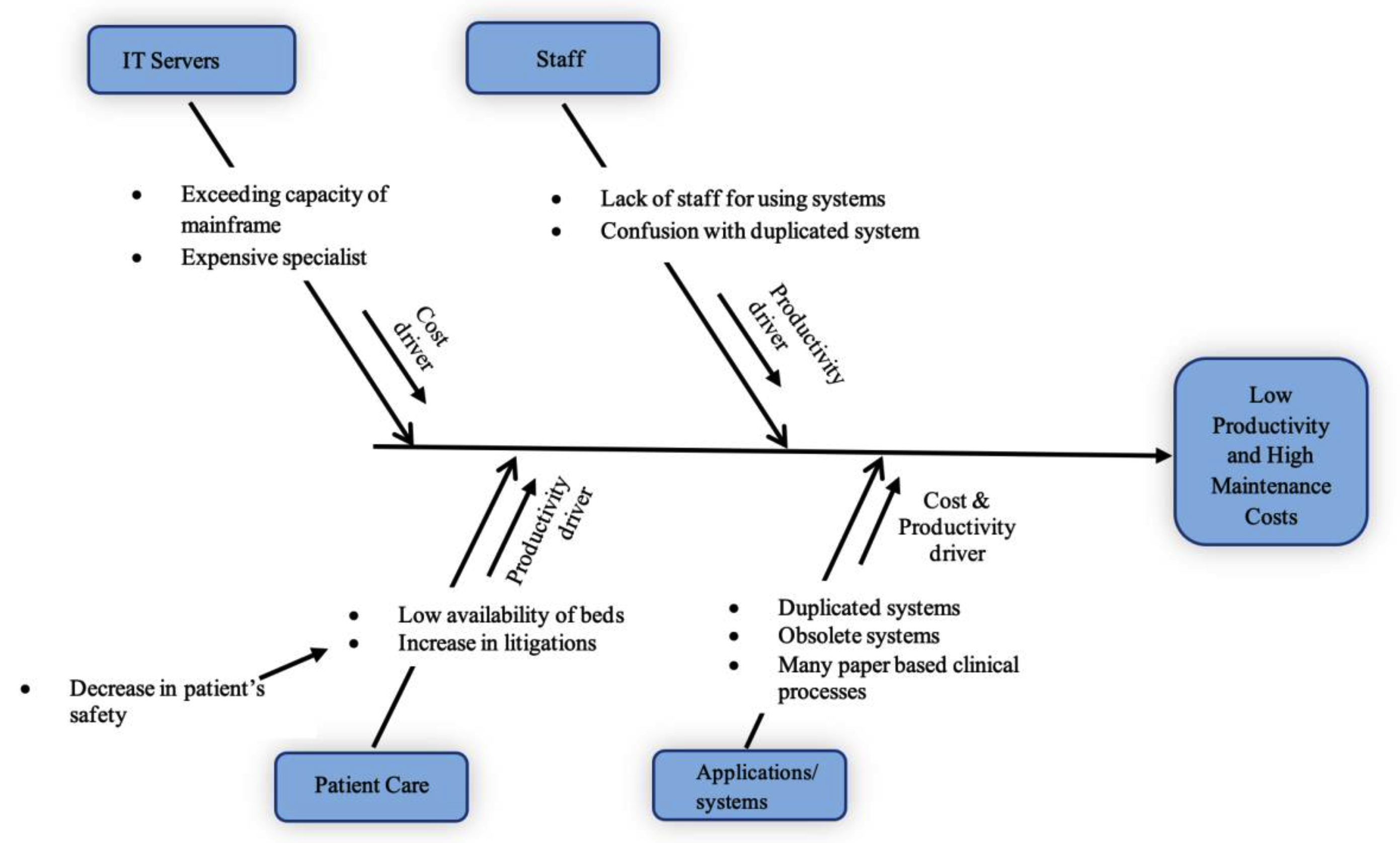
Wigglesworth Hospital Trust (WHT) provides clinical support and work in exclusively for elective surgeries following a merger of two hospitals. Over the years, they have implemented Electronic Patient Record (EPR) system, developed Clinpro Expert System and Mobile Hospital Helpdesk System to enhance the quality and provide better service & safety to patients. The merger has created several technical challenges including duplication of systems and training of their staff to use them, adding extra cost of maintenance. Many systems are being obsolete and still relying on the mainframe technology which has exceeded its capacity. In addition to this, limited availability of beds and increase litigations with patient’s safety is increasing their costs and reducing their productivity. Thus, WHT is looking forward to address these issues to reduce their expenses by 20%, at the same time improving their productivity by 20% by the year 2020.
Methodologies
Business Service Analysis
Perceived Business Service Performance (PBSP)
Business Service Strategic Value (BSSV)

Business strategy

Porter's Five Forces analysis

The analysis identifies the threats of new entrants, highlighting the hospital's developed technologies as a competitive advantage. The bargaining power of suppliers is deemed high, considering factors such as visibility, pay, and shortages of healthcare professionals. The bargaining power of buyers is also high due to customer preferences for good experiences and competitive pricing. While innovative technologies reduce the threat of substitutes, competition among existing hospitals is intense, emphasizing the need for continuous improvement. The analysis concludes that the healthcare industry is highly competitive, but the hospital's implementation of new technologies can enhance its competitiveness and long-term business strategy.

SWOT Analysis

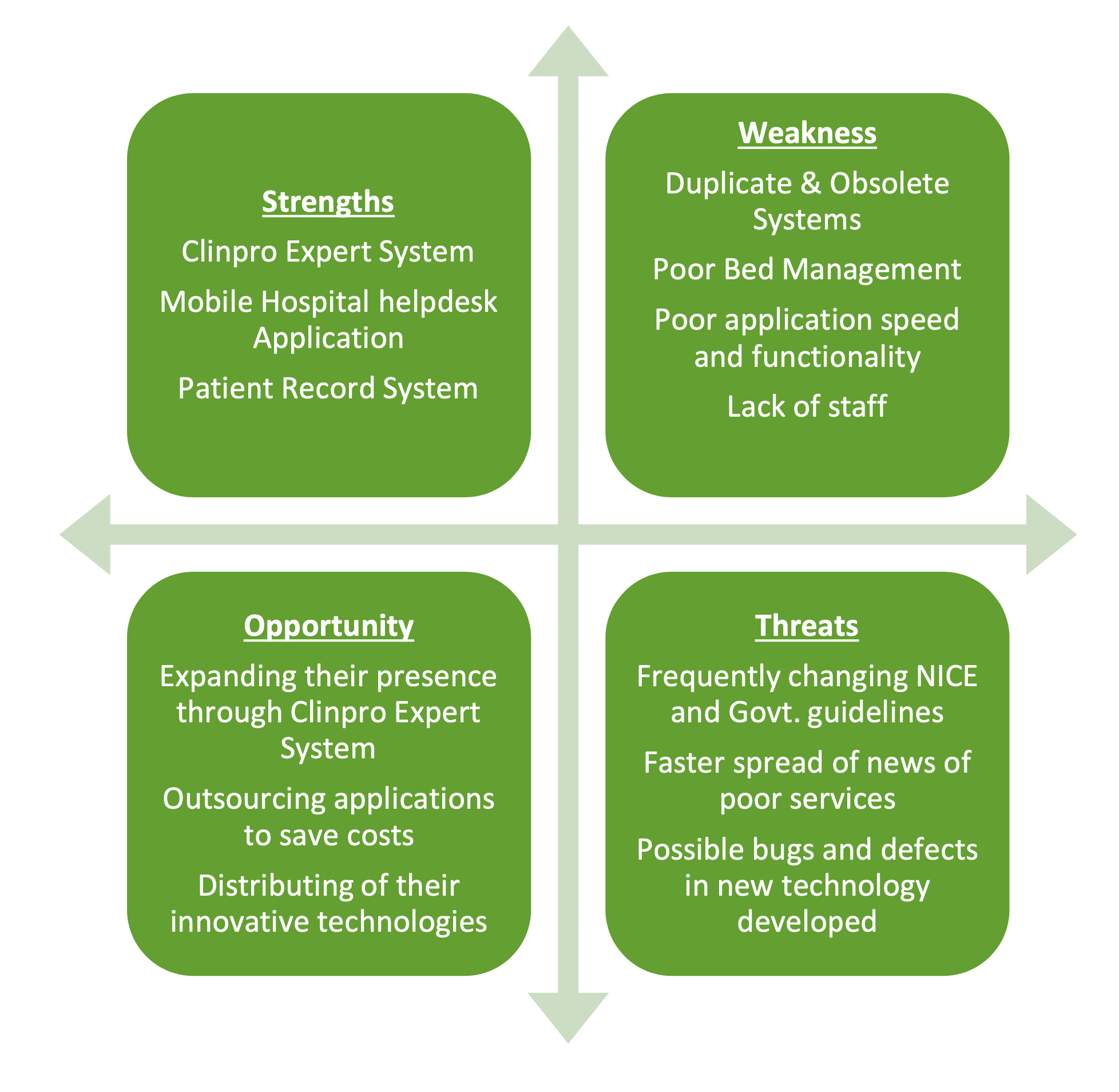
This content highlights a SWOT analysis of a medical practice, identifying its strengths, weaknesses, opportunities, and threats. The strengths include the recent introduction of innovative technologies and the potential to attract new customers. Weaknesses include duplicated systems, an obsolete legacy system, and issues with bed management. Opportunities lie in expanding their network through revolutionary developments and outsourcing services, while threats include changing government policies, online reputation risks, and competition from rivals. The analysis concludes that the strengths can support the practice's growth, and weaknesses and threats can be managed through planned process improvements and situation analysis.

Problem Statement

WHT specializes in elective surgeries but is grappling with several issues, including duplicated systems, staff shortages, poor bed management, technology problems, and patient safety litigations. The organization aims to improve productivity by 20% and reduce expenses by 20% to establish itself as an expert in elective surgery. To achieve this, WHT plans to merge systems, adopt a centralized IT computing environment, replace or outsource applications as necessary, and invest in hiring and training staff. They must also navigate changing guidelines from organizations like NICE and the government while working within a limited timeframe. Successfully addressing these challenges will not only improve productivity and expenses but also enhance WHT's reputation within the industry and among customers, ultimately helping them achieve their objective of becoming the best in their region.

Technology Analysis

The analysis assesses several IT applications used by Wigglesworth Hospital Trust (WHT) based on their criticality to the information system (IS), technical quality, ITA usage, and user perception value (UPV). The analysis focuses on the applications' performance, satisfaction levels, and their contribution to duplicated systems.

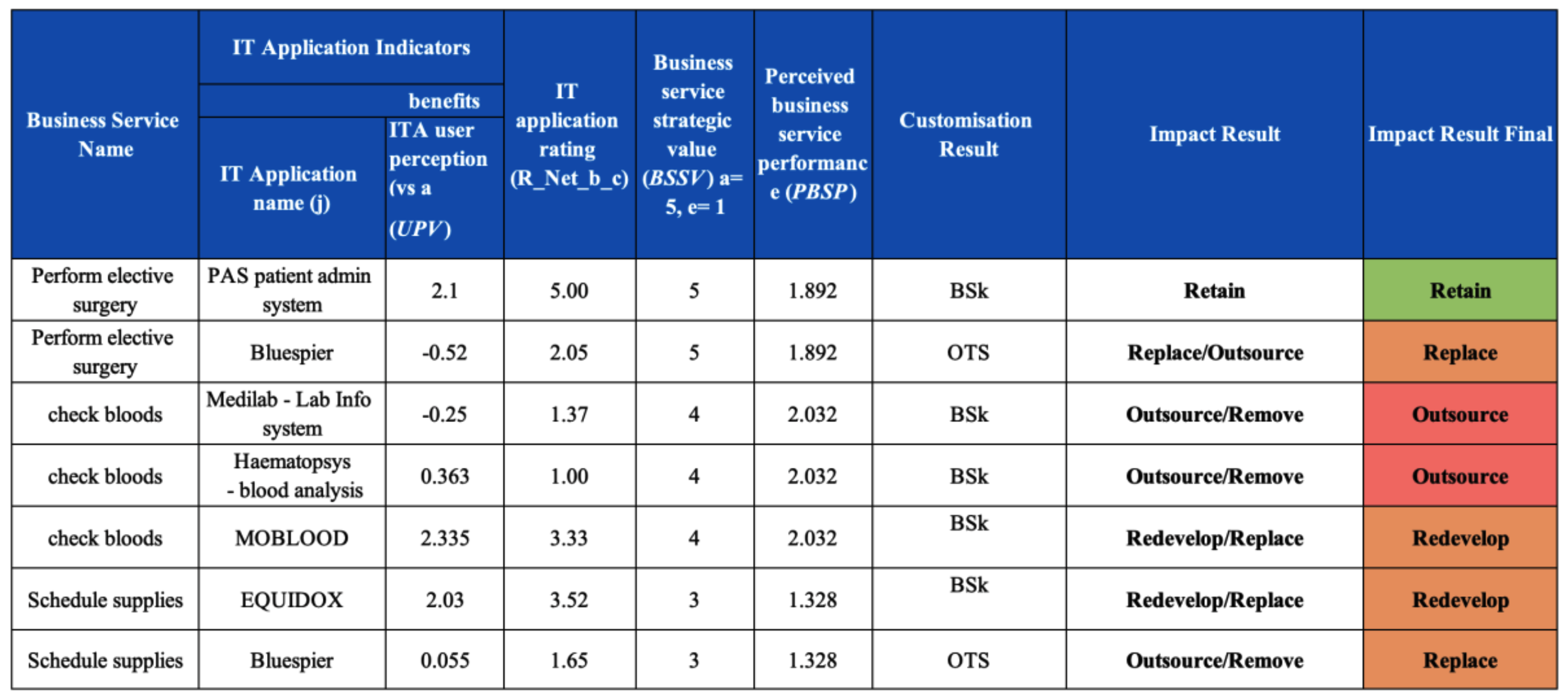
The analysis identifies the PAS system as a critical application with high ratings in BSSV (5.000) and PBSP (1.892), indicating satisfactory performance. On the other hand, Bluespier, which delivers the same service as PAS, has poor performance based on a negative UPV rating (-0.52). It is recommended to replace Bluespier with the PAS system, considering its obsolescence.

In the context of Schedule supplies, Equidox (UPV = 2.03) outperforms Bluespier (UPV = 0.55), and both applications deliver the same service. It is suggested to remove Bluespier and replace it with Equidox to reduce duplicated systems and centralize data more efficiently.

For the Check Blood business service, Moblood (UPV = 2.032) outperforms both Medilab (UPV = 2.032) and Haematopsys (UPV = 2.032). Redeveloping Moblood is recommended to improve its performance, while removing Haematopsys as a duplicated application. Upgrading Moblood would require £5,300 and an increase in the number of users to 112. Providing a 3G phone or tablet could enhance its usability for staff.

The application Medilab, reaching its user limits and having high maintenance costs, is suggested to be outsourced. Outsourcing Medilab can help WHT focus on other business situations, improve efficiency, and gain a competitive advantage.

The analysis also examines the satisfaction levels of the Perform elective surgery and Check Blood services, with PAS and Moblood receiving positive ratings. Equidox, despite a poor PBSP rating (1.328) in other services, gains user confidence with a UPV of 2.03 for its IT application.

Considering the cost analysis, managing the six applications costs approximately £801,600 annually. However, after removing duplicated applications based on the analysis, the cost reduces to £504,900 annually. The cost reduction represents a decrease of approximately 37%. The overall investment by WHT in these applications amounts to £3.095 million, covering acquisition costs, maintenance, and usage licenses. The average cost of usage and maintenance per user is £642 and £70, respectively.

Please note that the information provided in the analysis assumes certain assumptions and excludes certain costs, such as outsourcing charges and upgrading Equidox.
Conclusion

The conclusion of the case study is that Wigglesworth Hospital Trust (WHT), an elective surgery hospital, aims to become the best in the region by increasing productivity by 20% while reducing costs by 20%. The analysis of WHT's business strategy reveals strong strengths that can facilitate further growth. Weaknesses and threats can be addressed through process improvement and architecture analysis. The analysis focused on the impact of Business Services and their IT Applications on WHT's objectives. The data collected through interviews and surveys highlighted the need for redevelopment, replacement, or outsourcing of several applications that consume resources, lack capability, or require specialized staff. Addressing these requirements would enhance productivity and align with the goal of achieving 20% higher performance. The analysis recommends replacing mainframe applications with more suitable alternatives, investing in application upgrades to reduce maintenance costs and improve efficiency, and considering outsourcing to reduce specialist hiring expenses. By addressing these needs, WHT can enhance its services, reputation, and customer experience, positioning itself as the leading elective surgery provider in the region.

To improve the analysis, further investigation into alternative technologies and a cost breakdown of those applications is recommended. The limited access to staff for interviews and surveys affected the understanding of user value and calculation of User Perception Value (UPV). The use of external assistance to fill missing data introduces the possibility of misinterpretation and erroneous assumptions. The presence of contradicting statements in surveys suggests the need for a second analysis and an effort to collect data from a larger sample of users to gain a comprehensive understanding of how systems impact the business.